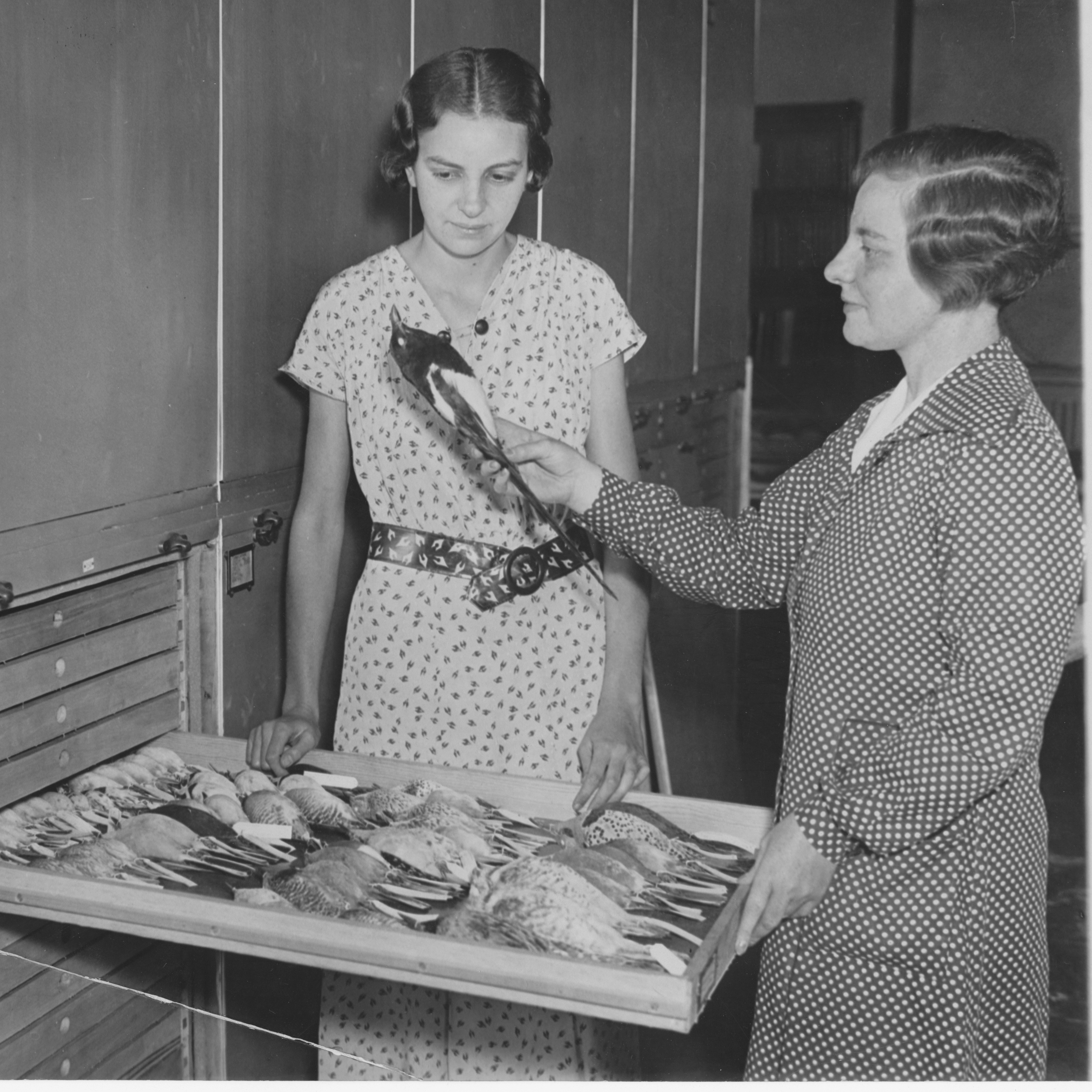
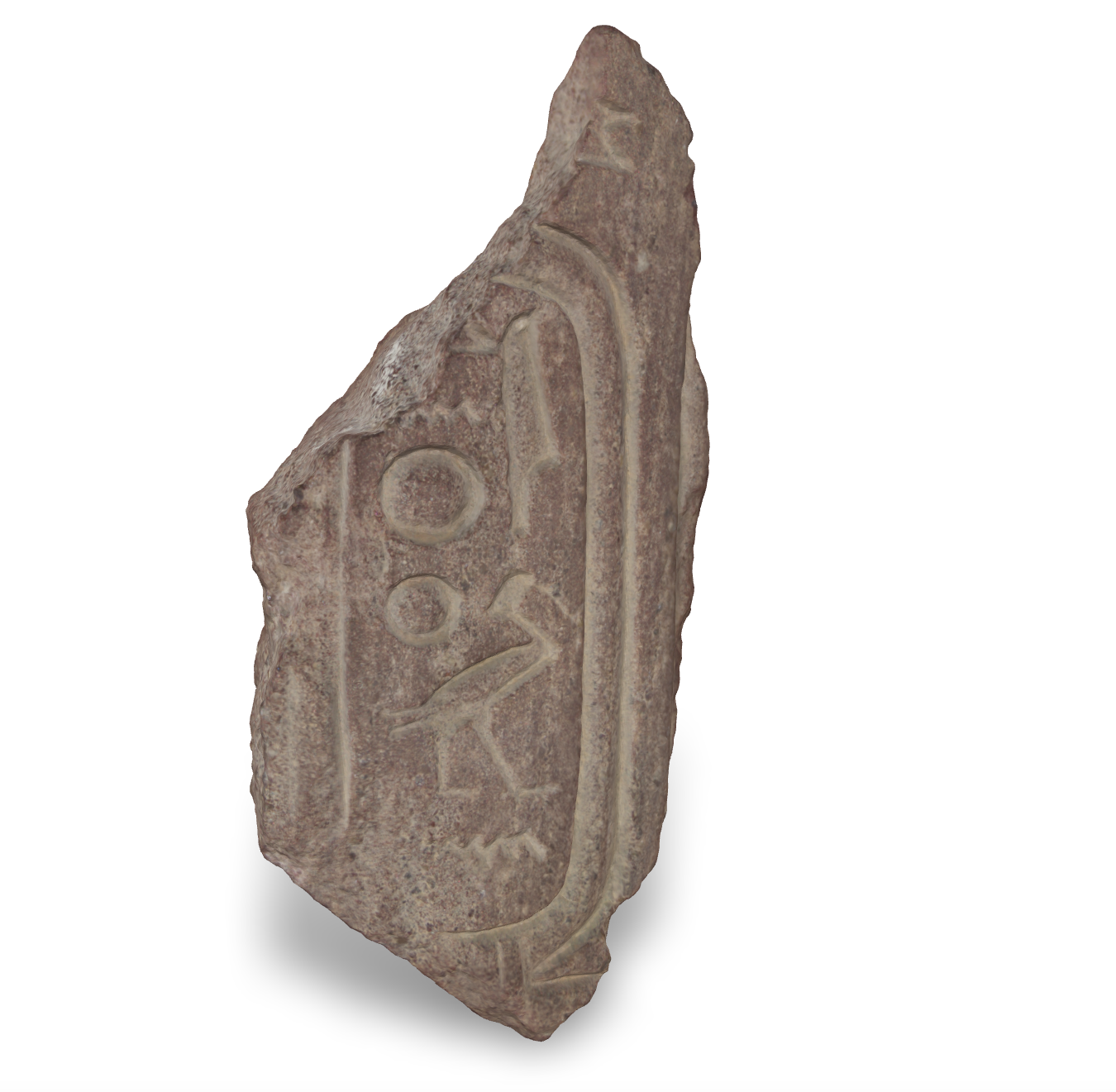
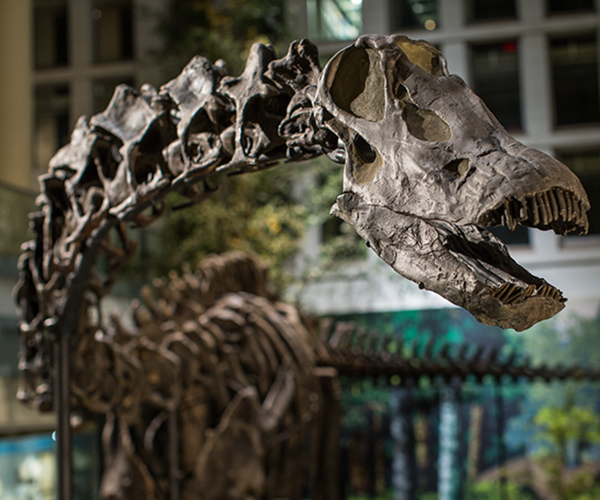
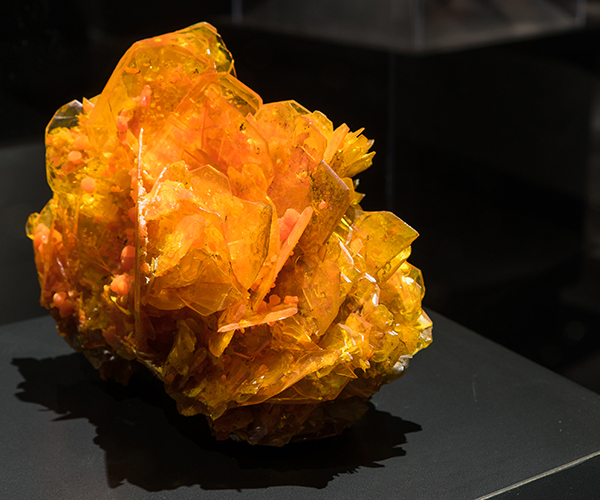
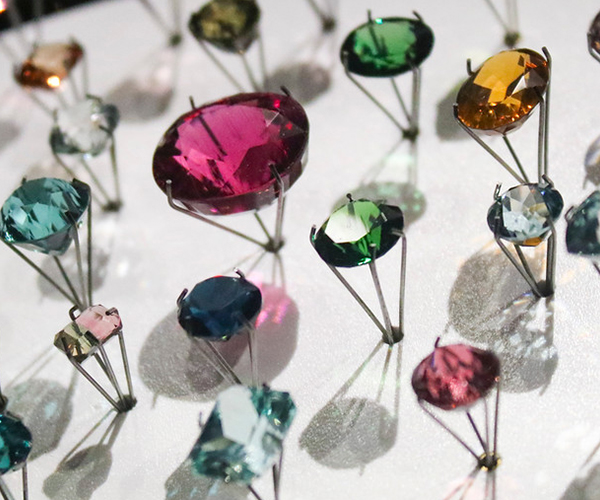
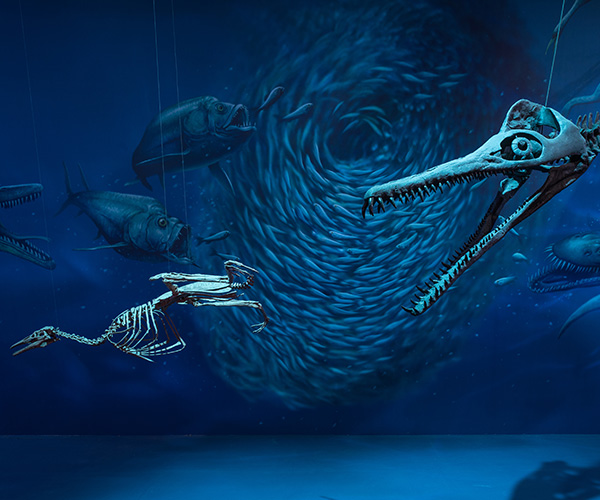
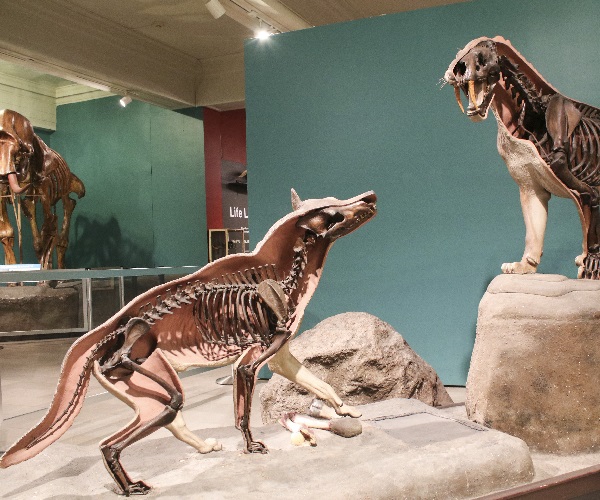
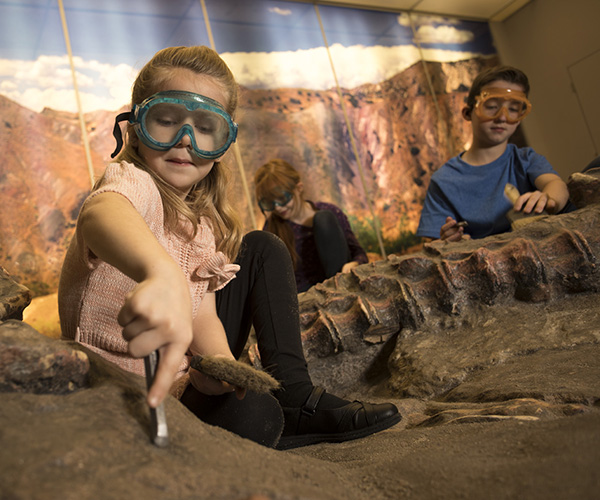
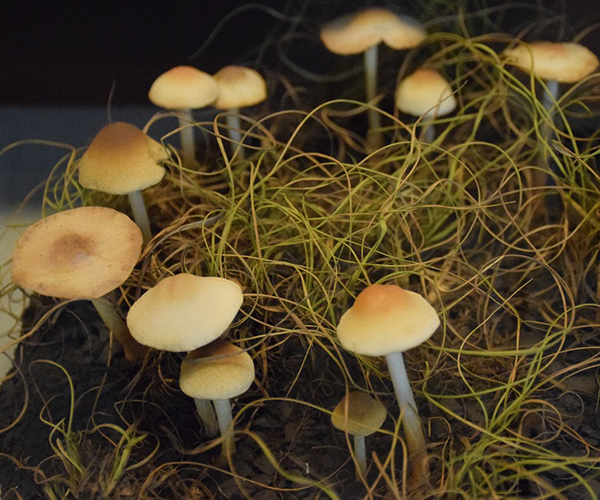
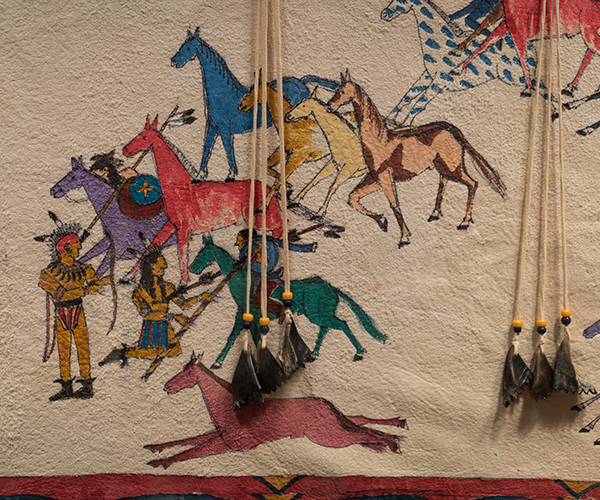
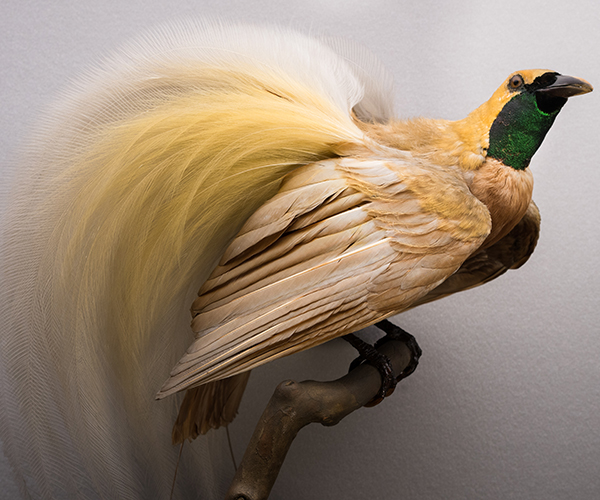
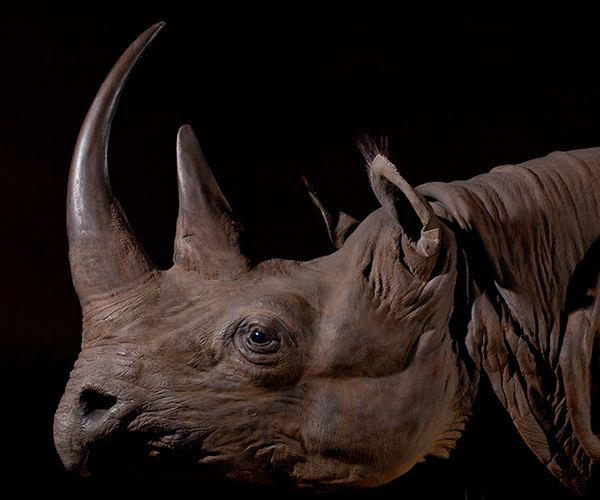
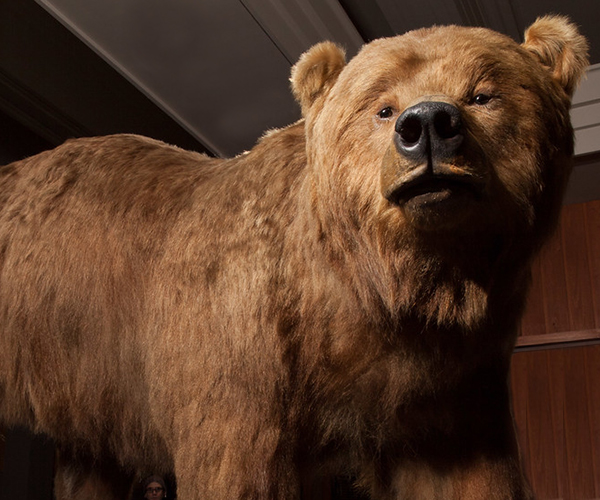
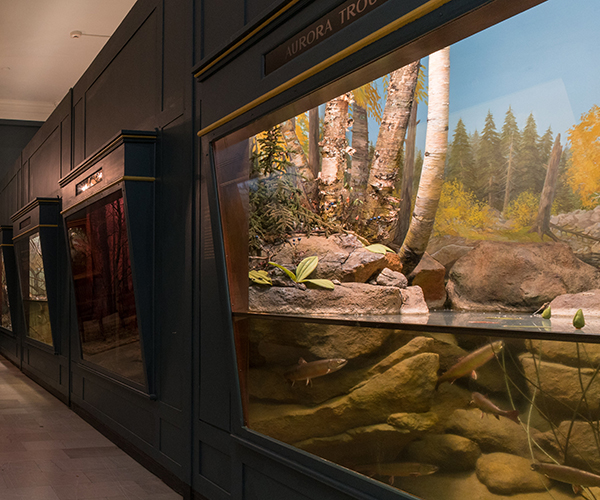
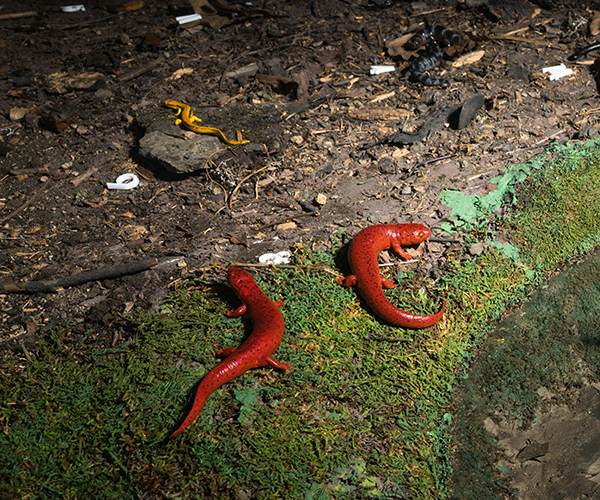
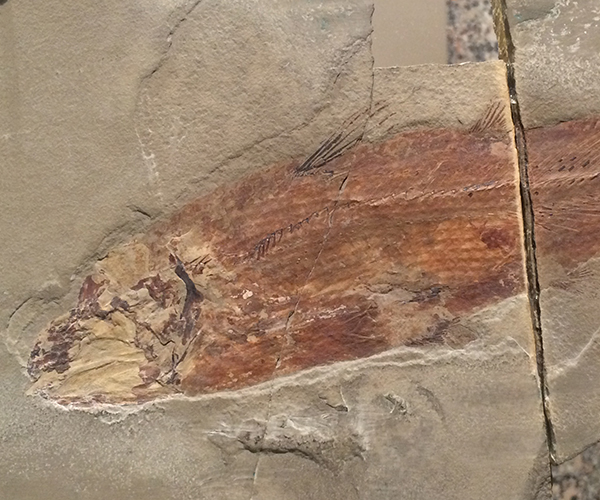
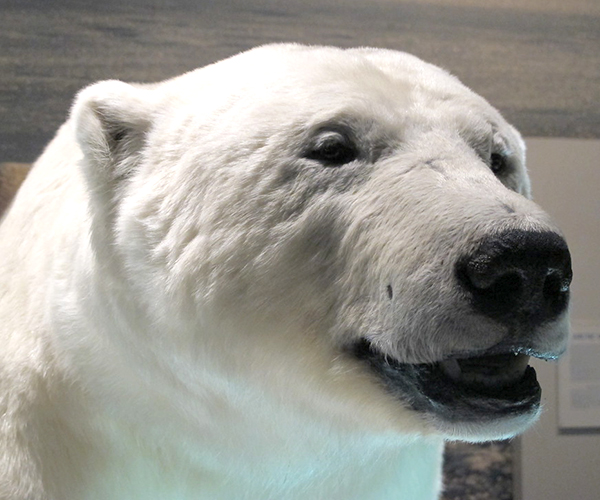
Exhibitions Rotating Exhibitions The Stories We Keep: Bringing the World to PittsburghDiscover what it means to collect and why natural history museum collections matter. Uprooted: Plants Out of PlaceExplore humans’ role in the history and future of invasive plants in this groundbreaking exhibition. Keeping Traditions AliveLearn about the Quapaw Nation, an Indigenous community living and thriving today, in the words of community curators Betty Gaedtke and Carrie Vee Wilson. Spotlight on ScienceExplore current museum research from the scientific Sections of Mammals and Mollusks. From Egypt to PittsburghTrace the history of museum objects from ancient Egypt to the museum online and in person. Long-Term Exhibitions Daniel G. and Carole L. Kamin Hall of DinosaursHome to dozens of real, original fossils displayed in scientifically accurate reconstructions of their ancient habitats. Egypt on the NileOpening May 1, 2027Explore more than 5,000 years of ancient Egyptian history and discover how the Nile River and surrounding landscapes shaped daily life, religion, and funerary traditions. Hillman Hall of Minerals and GemsMore than 1,300 specimens from all over the world that come in a large range of striking colors, fascinating forms, and dramatic shapes. Wertz Gallery of Gems and JewelryView beautifully crafted necklaces, extraordinary pieces of amber, large diamonds, and a full spectrum of artfully displayed birthstones. Cretaceous Seaway While dinosaurs ruled the land, amazing creatures resided in the sea in the Age of Dinosaurs. Step into an underwater world in Cretaceous Seaway. Age of Mammals: Cenozoic Era Discover life on Earth in Age of Large Mammals, like Mammoths and Dire Wolves. Bug HallExplore Bug Hall to learn about the creatures that make up more than 80% of all life on Earth: arthropods. Bone Hunters’ QuarryDig for fossils in a recreation of Dinosaur National Monument in Utah. Hall of BotanyInvestigate the incredibly diverse plant life of North America and Western Pennsylvania. Alcoa Foundation Hall of American IndiansExplore four Native American cultures and their relationships with the natural world. Bird HallDiscover the many shapes, sizes, colors, and characteristics of birds all over the world. Hall of African WildlifeStep inside a savanna or view a lowland gorilla emerging from lush tropical foliage in the Hall of African Wildlife. Hall of North American WildlifeWitness the drama of nature across North America in artistically and scientifically recreated dioramas. Discovery BasecampSlow down, look closely, and explore everything. Presented by Reach Cyber Charter School. Art of the DioramaDiscover the craft and artistry behind Carnegie Museum of Natural History’s famous nature dioramas. Amphibians and ReptilesCheck out the reptiles and amphibians of today while looking out over prehistoric reptiles that existed millions of years ago. Benedum Hall of GeologyDiscover how fossils are formed! Past Exhibitions Polar World: Wyckoff Hall of Arctic LifeTraversing 4,500 years of Inuit history, learn about the Canadian Inuit and how they’ve adapted to the environmental challenges of life in the Arctic.