North-South-East-West: American Indians and the Natural World
About This Project
On June 6, 1998, Alcoa Foundation Hall of American Indians opened to the public.
This permanent exhibition hall was a major undertaking for Carnegie Museum of
Natural History, and a number of projects related to the hall were completed simultaneously
in an attempt to extend its reach. These included an exhibition catalogue,
a book of essays, numerous education programs, a children's activity book, and this website.
These projects offer a special opportunity for the people of Pittsburgh and beyond
to view many of the wonderful ethnographic objects in the collection of Carnegie Museum
of Natural History and also to learn about the people who made and used them.
Alcoa Foundation Hall of American Indians
Unique in many ways, Alcoa Foundation Hall of American Indians is
the only major museum exhibit organized around American Indians'
relationships with the natural world. These relationships are illustrated
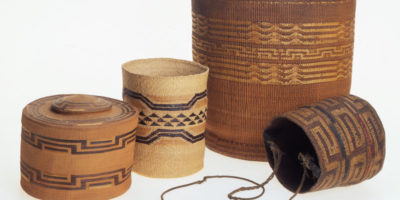
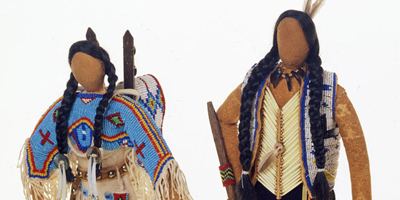
through case studies of societies living in four major geographical areas: the Tlingit of the Northwest Coast, Hopi of the Southwest, Lakota of
the Plains, and Iroquois of the Northeast. Another important topic is
American Indians' experiences in urban areas, especially Pittsburgh.
Concentrating on the 19th and 20th centuries, Alcoa Foundation Hall
of American Indians is one of few museum exhibitions dealing with American
Indian cultures in the present.
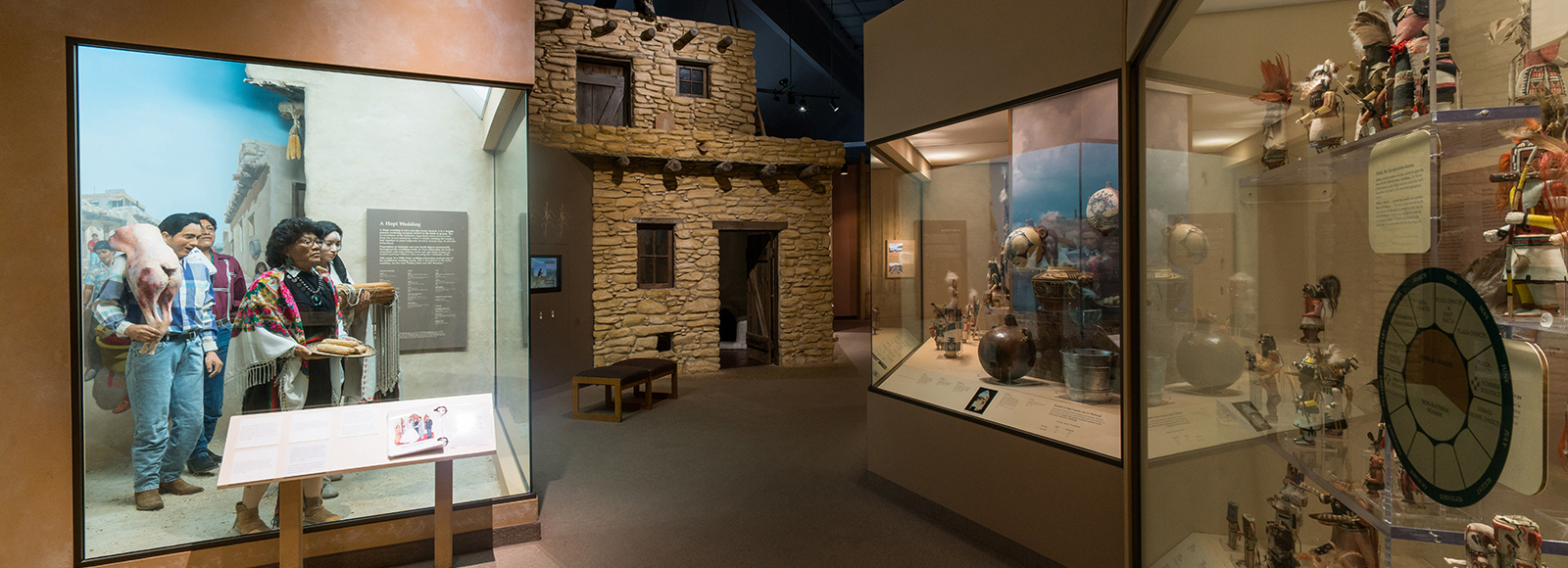
The hall employs a variety of exhibition techniques to
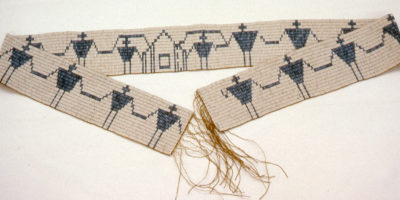
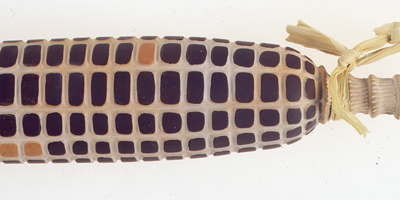
thoroughly engage visitors. A rich array of nearly 1,000 historical and
contemporary artifacts is displayed. These objects come to life in a dynamic environment boasting
highly realistic dioramas illustrating American Indian lifestyles.
About 50 Native people partnered with Carnegie Museum of Natural History
to develop Alcoa Foundation Hall of American Indians. Their historical
and cultural knowledge, personal experiences and belongings, talents, artwork, and
guidance shaped the messages and impact of the hall. Some artifacts
were created specifically for the exhibit by contemporary artists, and all
of the human figures featured in the dioramas were made from casts of living
American Indian individuals.
North, South, East, West: American Indians and the Natural World by Marsha C. Bol
The majority of this website is based on the exhibition catalogue North, South,
East, West: American Indians and the Natural World, a dramatic, full-color
depiction of how Native Americans relate to the world around them. The catalogue
shows both the
contrasts and the striking continuity between the art, objects, and people of different
Indian groups.
North, South, East, West: American Indians and the Natural World presents moving
Native quotes and vibrant photographs of Native Americans to depict how they relate
to the world around them. Striking color photographs of over 200 artifacts, never
before published, from the Carnegie Museum's outstanding American Indian collection
give tangible expression to a rich heritage of belief and customs.
Woven within the text is the acclamation that, even while outside pressures from
Euro-Americans often have devastating effects on Indian society, these various Native
groups still maintain their viable cultures in today's world with unbroken threads
to their past.
Dr. Marsha C. Bol, former Associate Curator of Anthropology at Carnegie Museum of Natural
History, was Project Director for Alcoa Foundation Hall of American Indians, which
opened in 1998. An expert in the field of Native American arts, with a specialty in
Lakota art and culture, Dr. Bol has a PhD in Native American art history.
This book is available from Jerry Farber at the Natural History Store, 412.622.1989 or farberg@carnegiemuseums.org, or through the Scientific Publications department.
The Web Site
This website was developed and designed by Carnegie Museum of Natural
History to complement Alcoa Foundation Hall of American
Indians. Unless otherwise noted, photographs were taken by Tom Barr. Please
direct any questions or comments to cmnhweb@carnegiemnh.org.
Funding for the site was provided by the Mudge Family Foundation. |